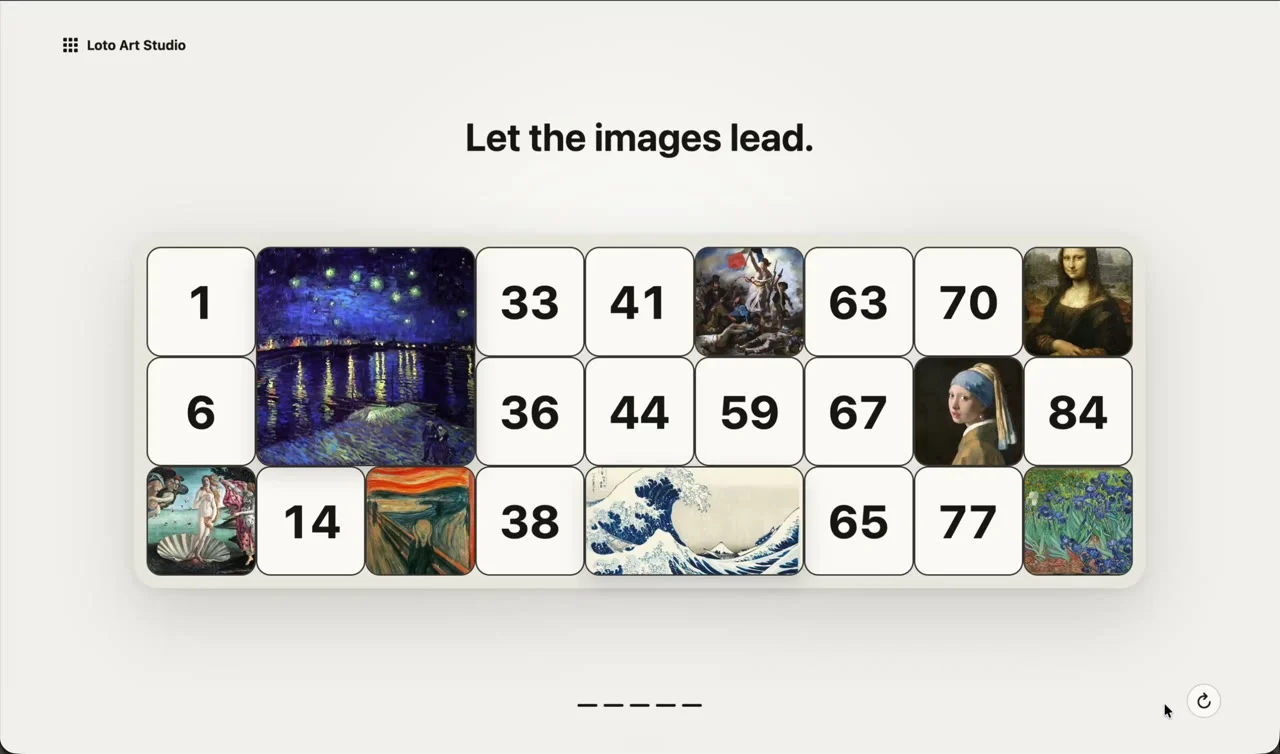
Loto+Art
A generator of loto tiles with artwork placed into selected cells.
- Role
- Concept and development
- State
- In progress
- Output
- Tile generator
I build simple software for complex problems.
I work across interfaces, data, and the machinery underneath, turning uncertain ideas into products people can actually use.
I work somewhere between frontend engineering, product analytics, and early-stage discovery. The common thread is simple: understand what job the product has to do, make the risky assumptions about why it might work explicit, then test them with the smallest interface that can produce useful evidence.
My current stack is React, TypeScript, Vite, React Aria/getjustd, and whatever backend/API work is needed to make the product real.
My work has moved from rental and location-based platforms to IoT tools and drug discovery systems, with research software and computational biology becoming the next direction.
I started with programming contests and small websites, then moved into Telegram bots, Vue/Vuetify apps, and later React products. That path made me comfortable with both the interface layer and the messy product questions around it.
Alongside engineering, I have done JTBD interviews, quantitative research, case championships, and MVPs for teams that needed a product direction before they needed a larger system.
 University of LilleMaster in bioinformatics · 2026 →
Licence MIASHS (applied maths & CS for social and life sciences) · 2023 → 2026
University of LilleMaster in bioinformatics · 2026 →
Licence MIASHS (applied maths & CS for social and life sciences) · 2023 → 2026 Peter the Great St. Petersburg Polytechnic UniversityBusiness Informatics · 2021 → 2023
Self-directed tools, experiments, and research—one project at a time.
A generator of loto tiles with artwork placed into selected cells.
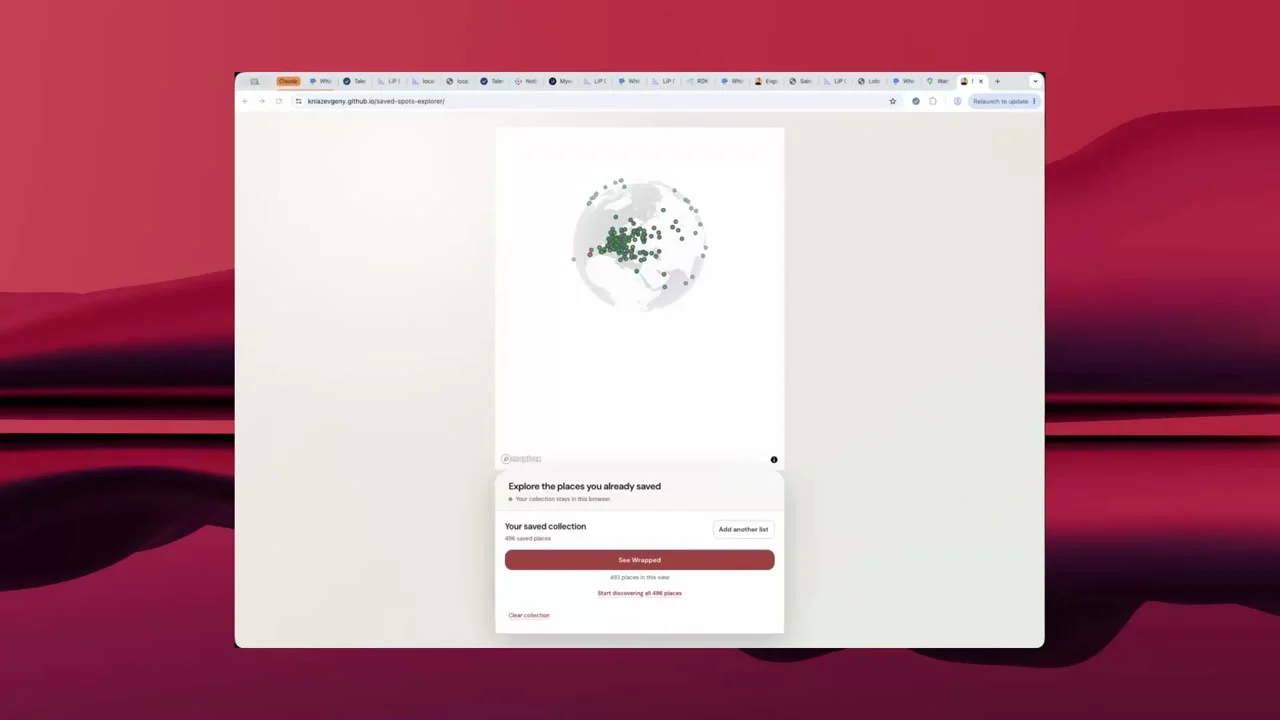
A visual explorer for places saved from Google Maps.
Vibe-based place discovery: explore a city by mood, not categories.
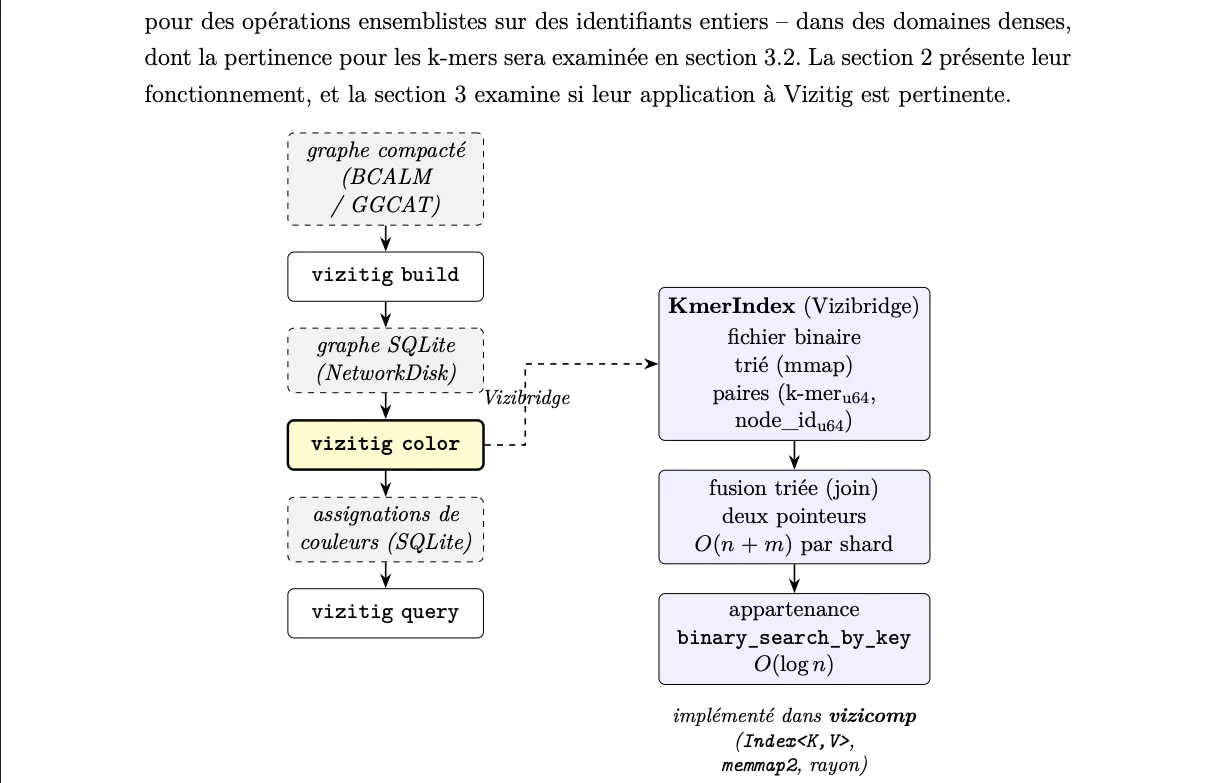
Algorithmic graph-based methods for analyzing and interpreting genomic data.
Selected professional work, from frontend systems to full-stack products.

A unified workspace for drug-candidate discovery projects.
The platform brings target biomolecules, molecule collections, hypotheses, and computational jobs into one interface.
Built the full-stack product with React, TypeScript, Ant Design, FastAPI, PostgreSQL, and RDKit, including 2D/3D molecular visualization, candidate generation, and synthesis planning.
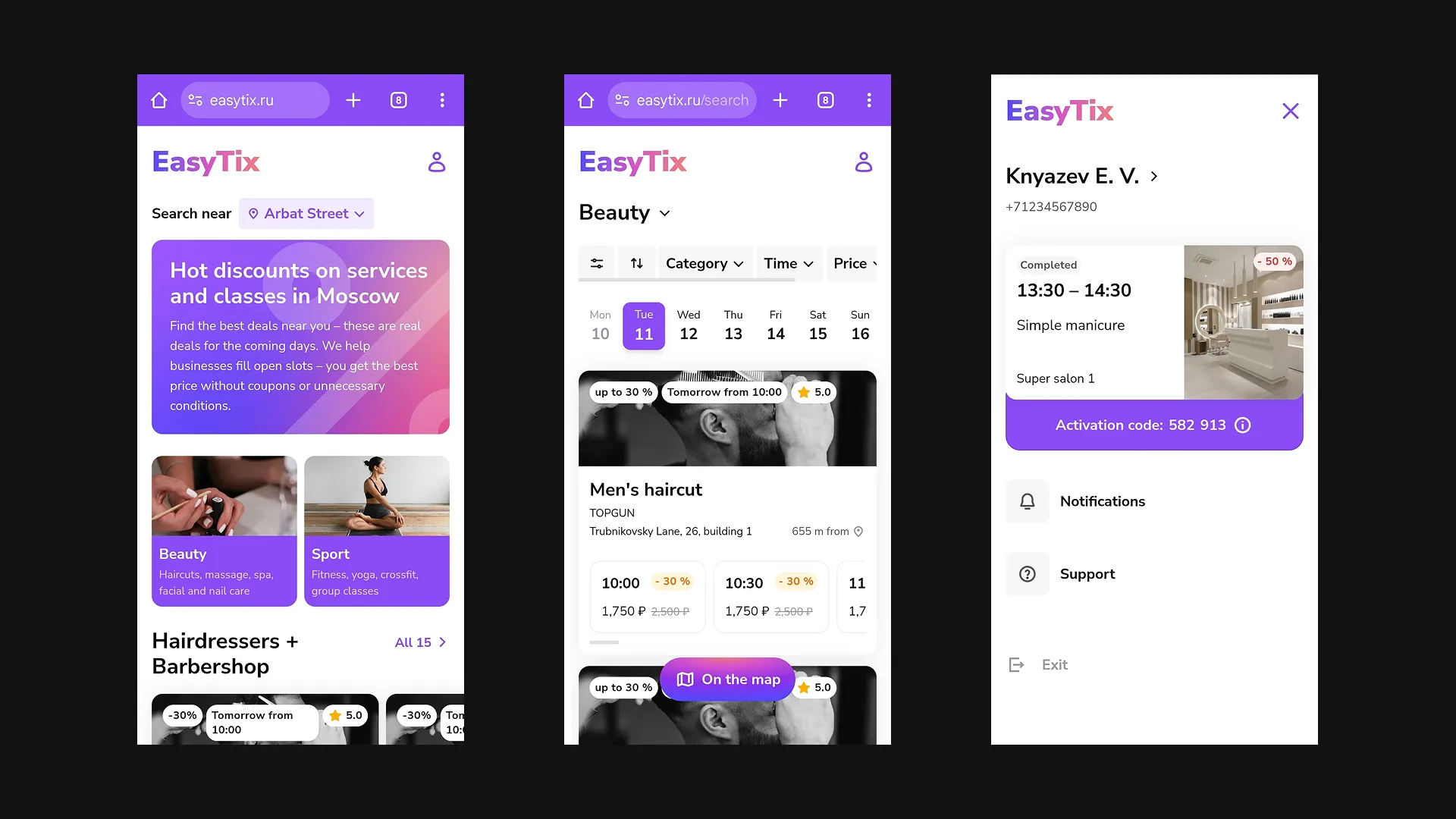
Easytix is a platform for accessing last-minute sales of spots for services (e.g. yoga classes, fitness sessions, etc.) and beauty services (e.g. hair salons, nail salons, etc.)
I was responsible for the frontend part of the project. Tech stack: React, Tailwind, TypeScript, Tanstack Query, React Aria, Vite, ESLint. Vite-ssr for the main app.
Integrated Yandex Maps API for location search and displaying on the map.
The fun part was calculating harvesine distance between user location and business location. In a way inspired by the maritime navigators who have had to calculate the distance to the shore. At least I found it fun.
Another joyful part was implementing micro-animations. The clip-path expansion of the maps without performance issues and `motion`-led animations look really cool.
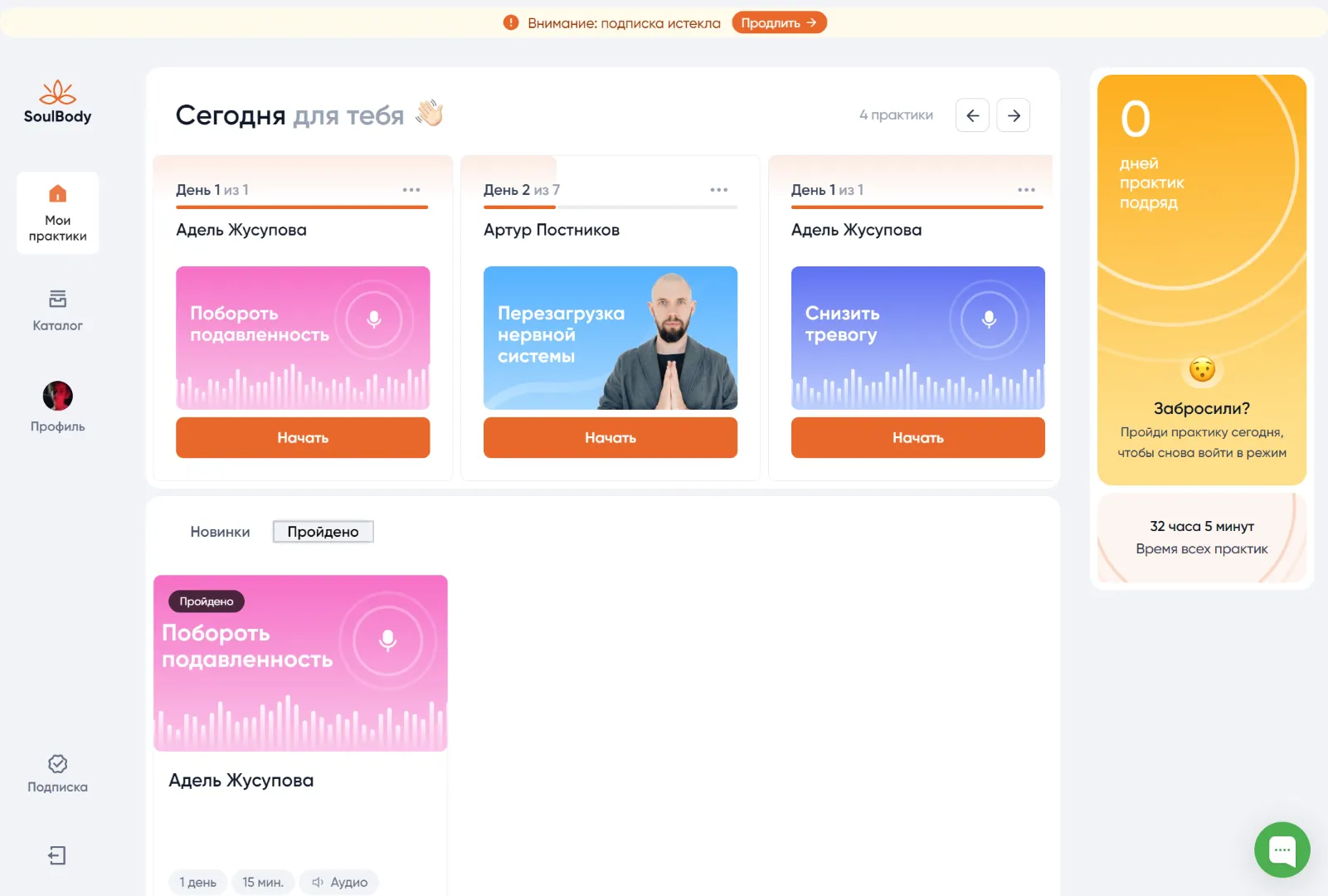
Soulbody is a platform with video and audio practices for the mental health
Built and implemented key user flows based on Figma designs, including user sign-in, catalog browsing (without subscription), practice previews, subscriber journey, and checkout with promo codes.
Developed a flexible admin CMS that allows for the creation and management of practices, integrated with Kinescope (similar to Vimeo), as well as tools for promo code management.
Introduced a service worker to enable web-push notifications, helping users stay consistent by reminding them of their practice streaks.
Integrated Kinescope’s video player, ensuring seamless video transitions and allowing non-subscribers to preview 30 seconds of each video, enhancing the overall user experience.
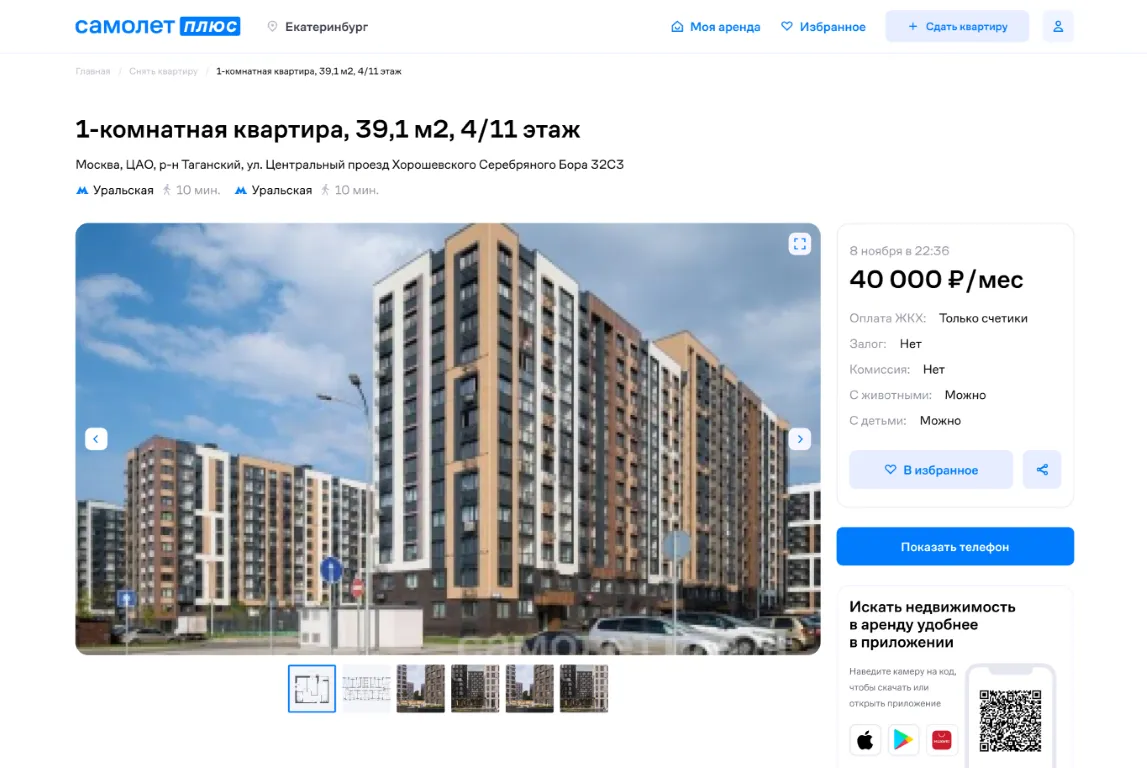
Long-term rentals by the Samolet+, largest apartment building developer in Russia
I was working on the frontend part of the service. It's both dashboards for tenants, and some apartment management tools for landlords, rental agents and office owners
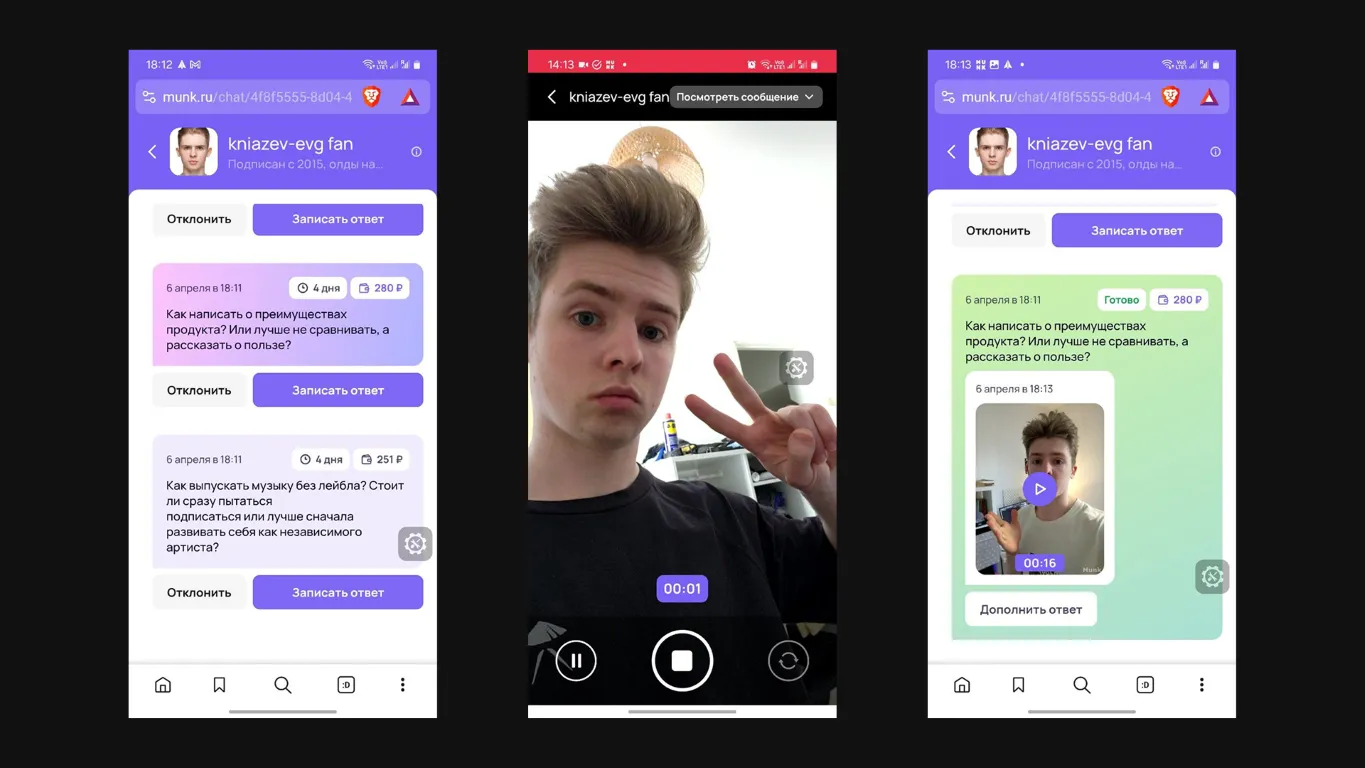
Fans send donations, and authors respond with video/audio messages
Implemented video recording in the browser using the MediaRecorder API; used Plyr for the player, custom React hooks for recording content
The full history stays here, grouped by year.
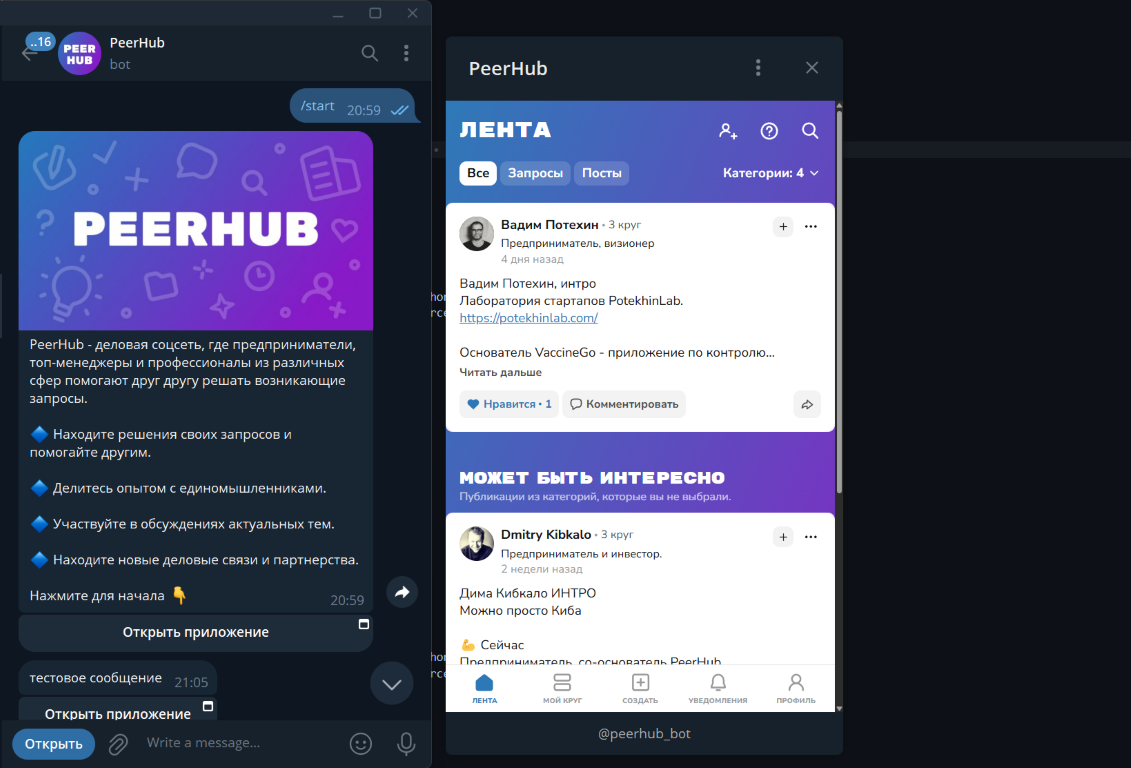
Basically a business-oriented social network. No "what Clash of Clans taught me about B2B SaaS sales". Just a place to publish requests to the community, reach out to other professionals
During the development I familiarized myself with the React ecosystem incuding react-aria and justgetd. Tanstack query was used for data fetching and state management.
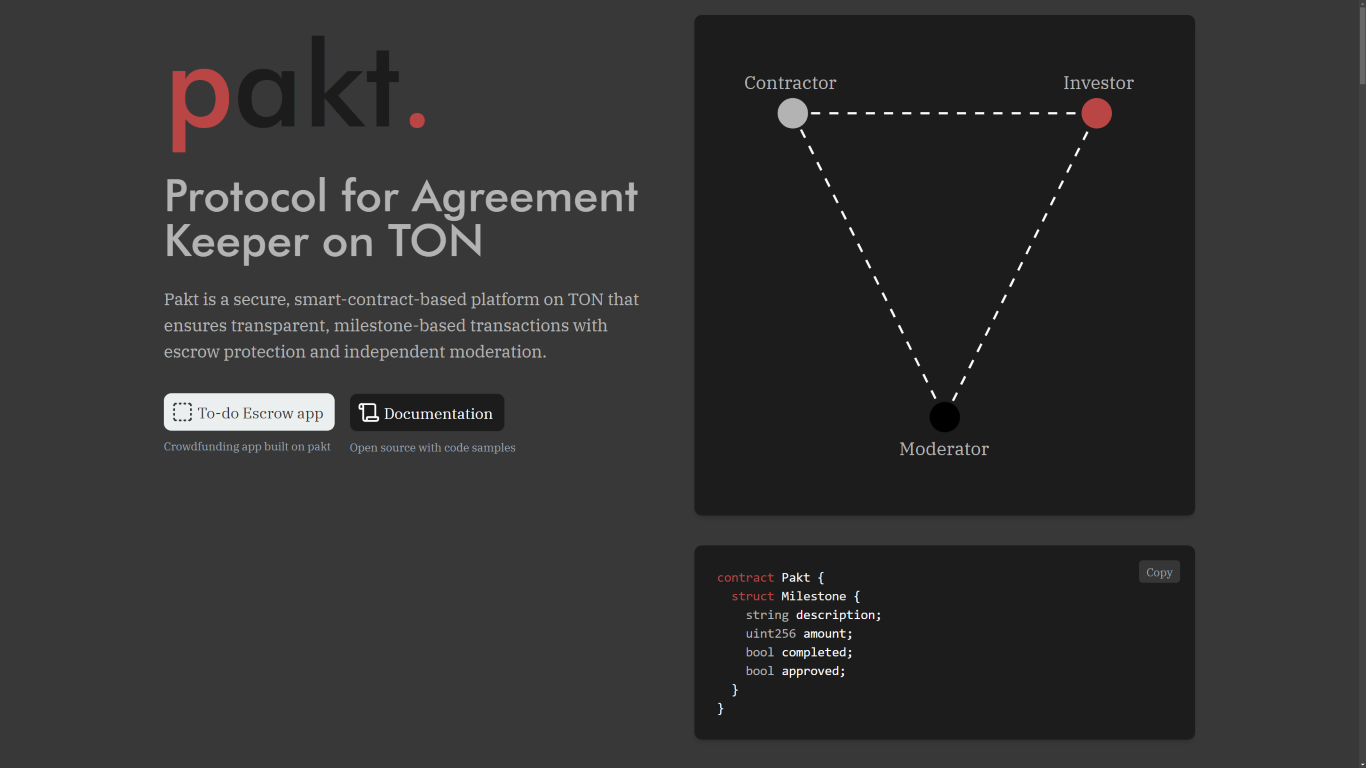
1st place at the TON Hackathon's Paris bootcamp [2024]
Protocol for Agreement Keeper on TON
The project is in the process of development. Open source.
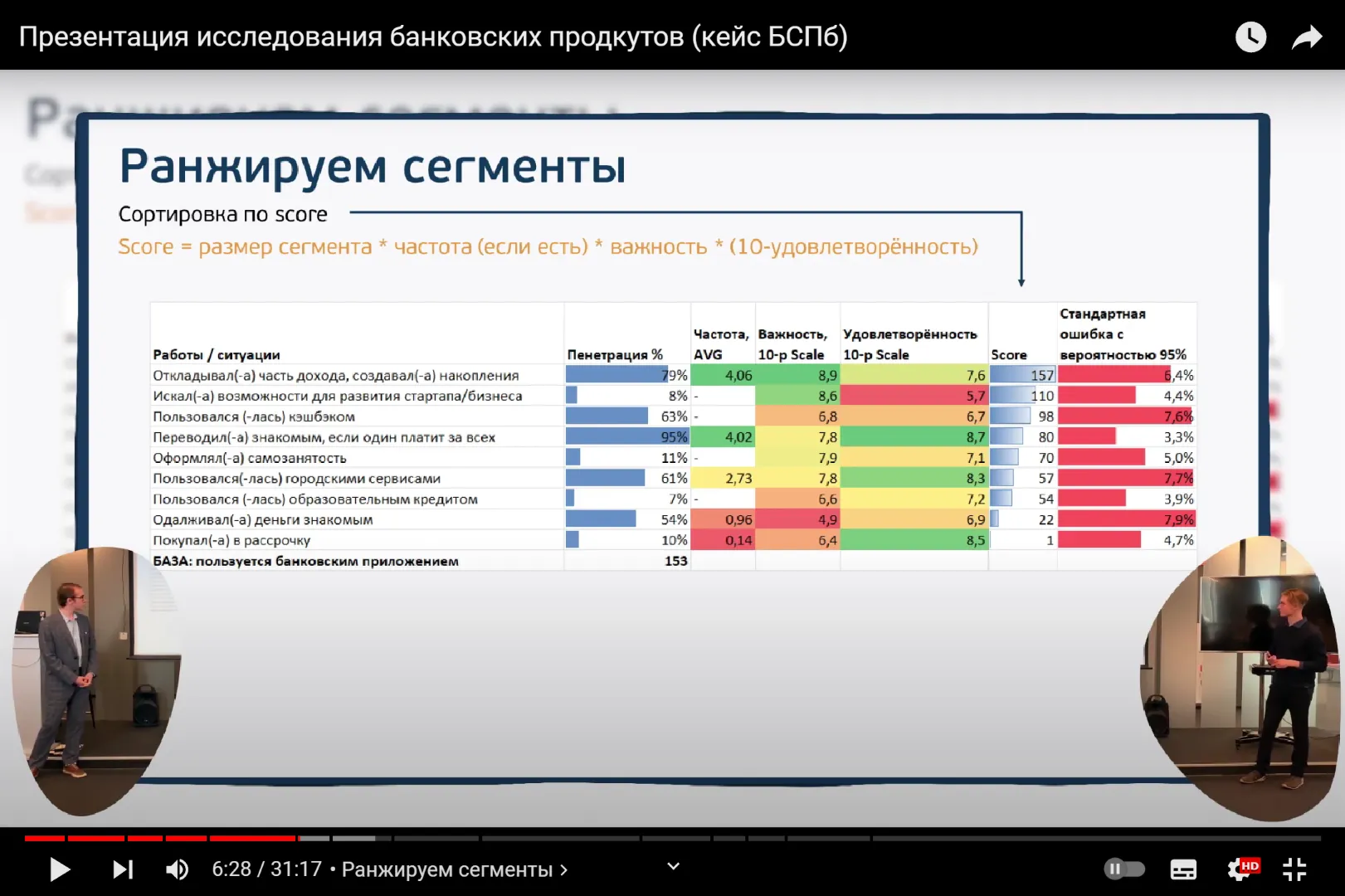
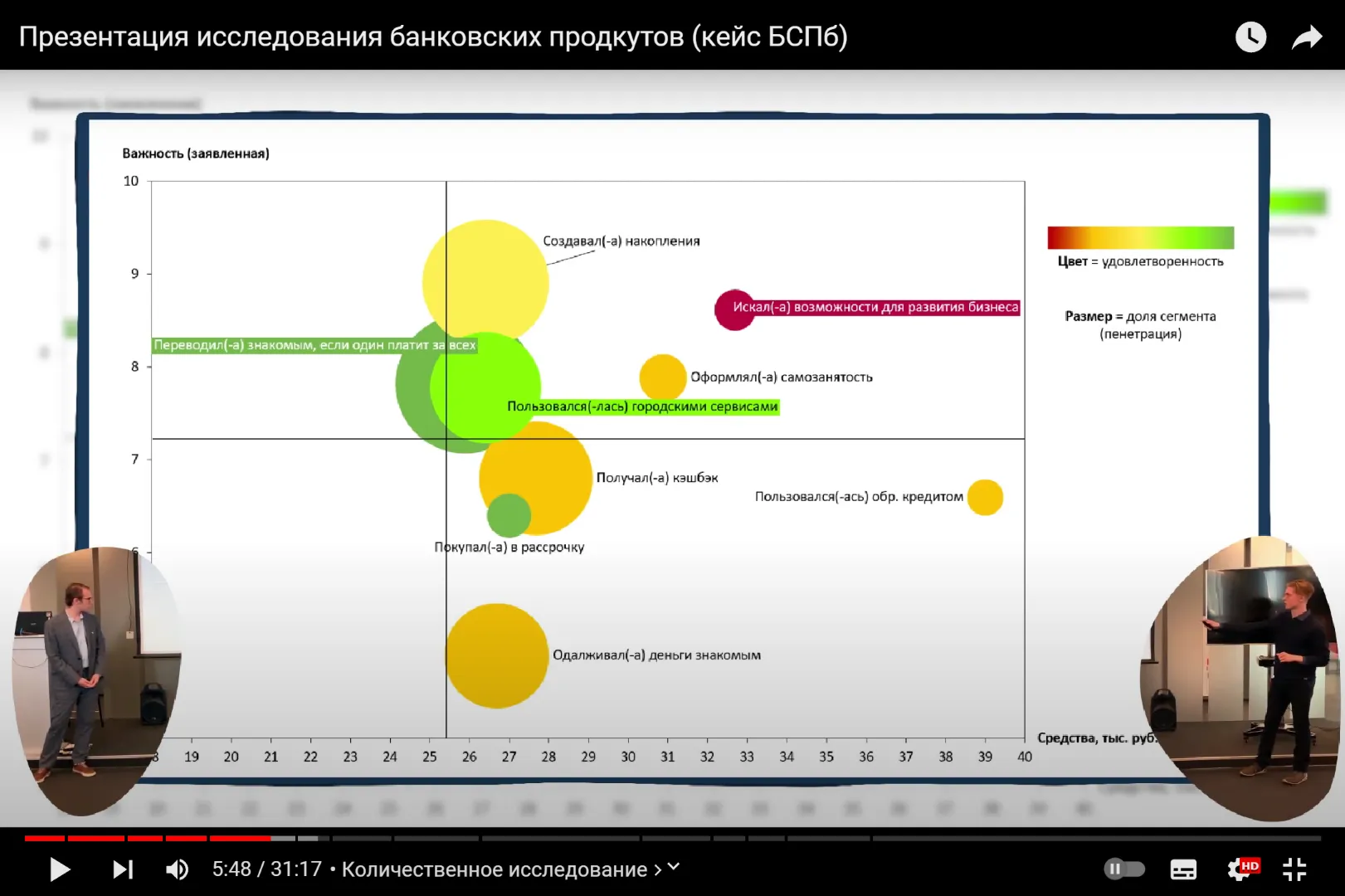
Marketing jobs-to-be-done research. We studied which tasks are most common and which are most important.
Conducted a series of deep interviews and surveyed 153 students from St. Petersburg. Based on these data, we developed a product concept.
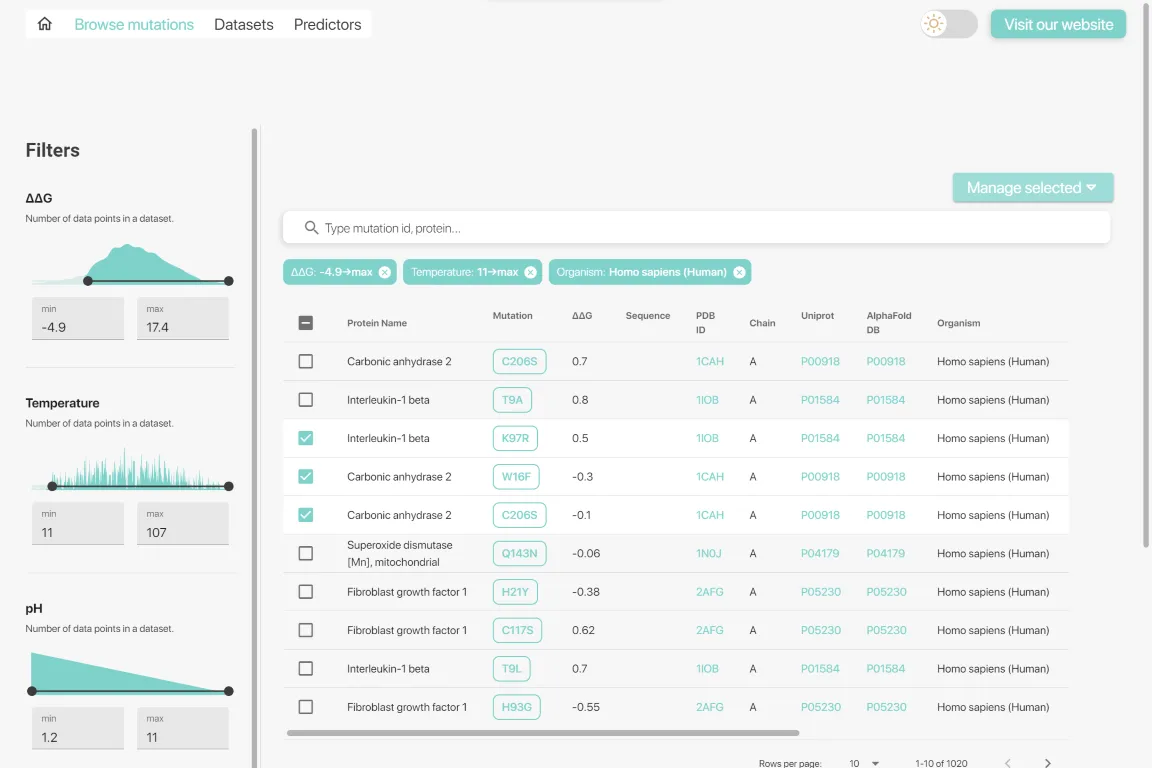
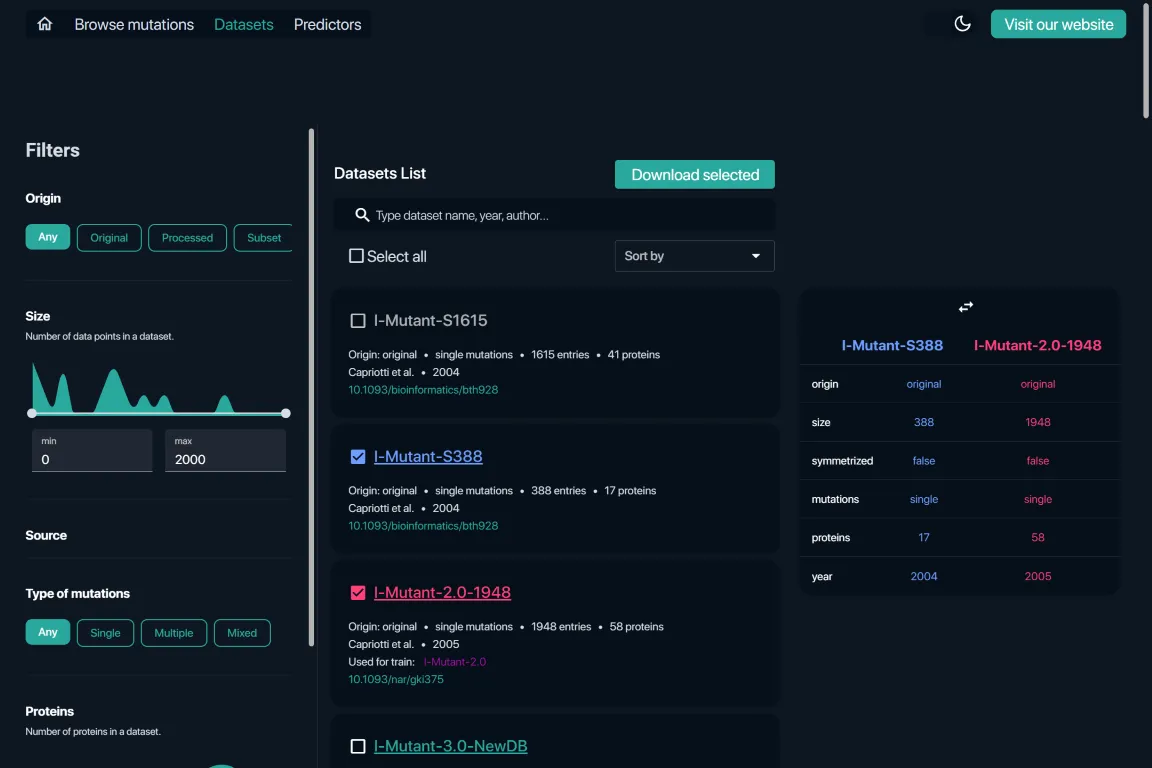
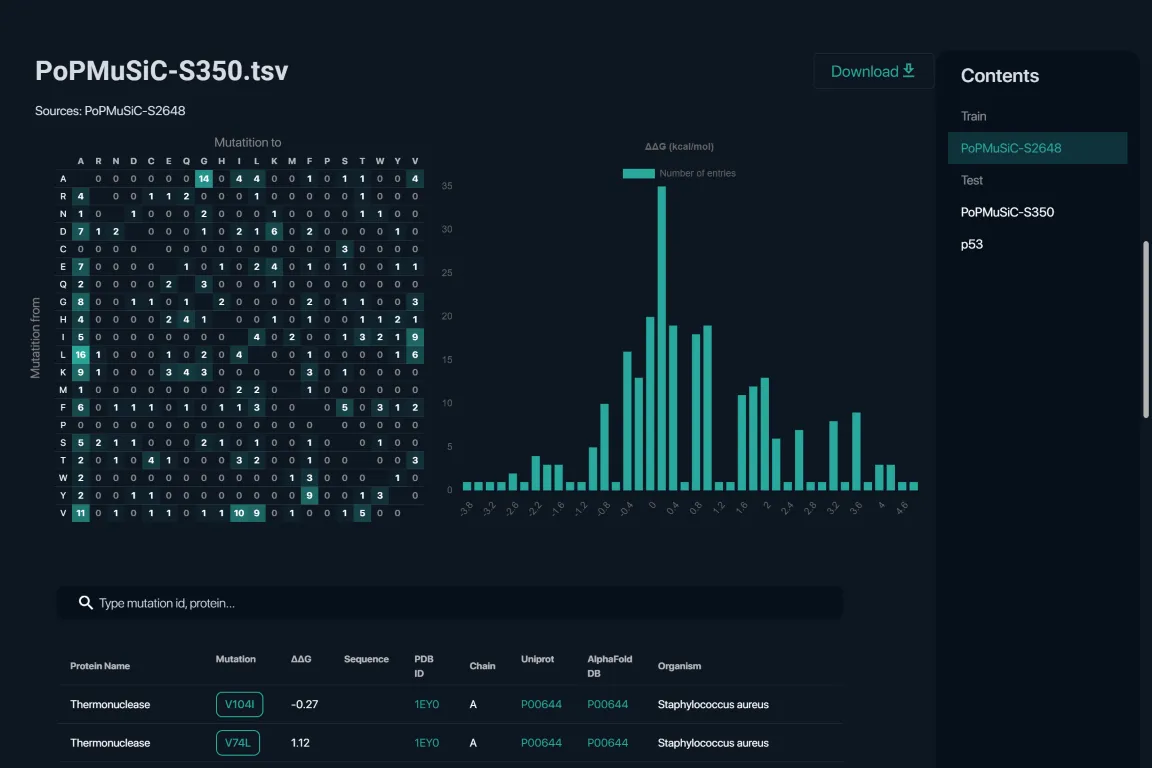
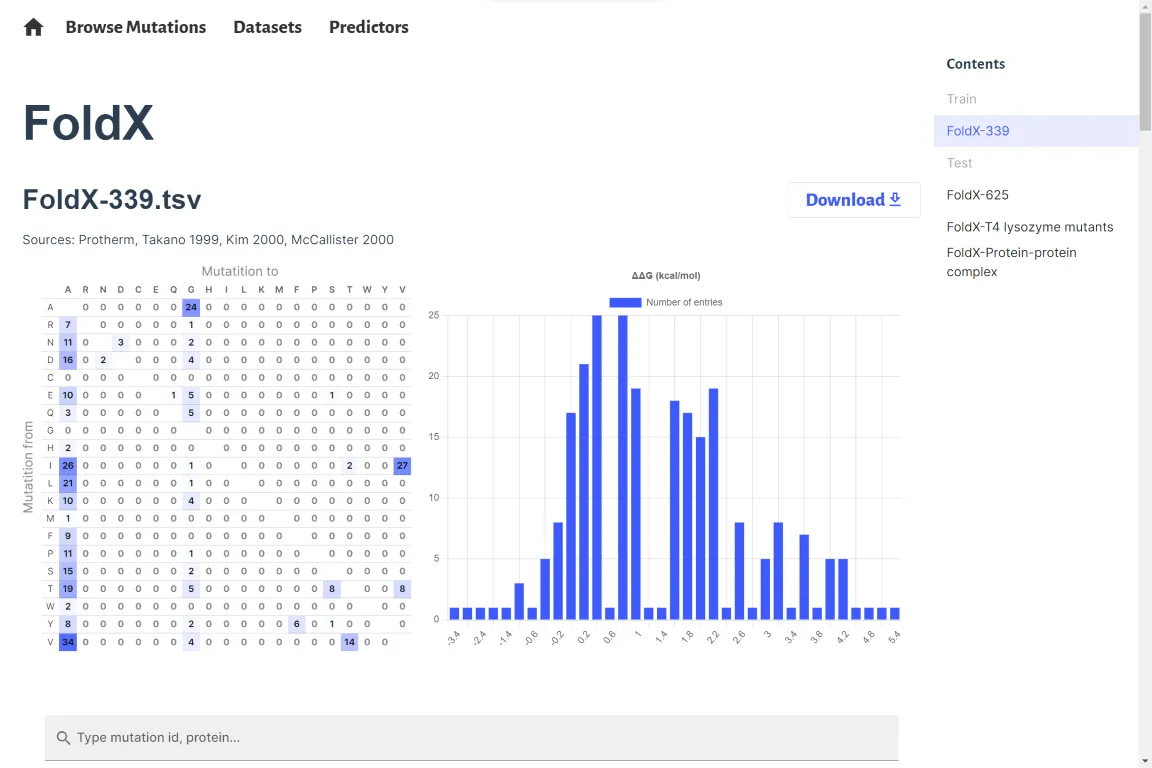
A service for analyzing stabilizing mutation data. I was responsible for the technical part, and my colleague, a postgraduate student from Skoltech, was a market expert, since she herself regularly encountered similar problems.
The task: to think through and develop the service, based on the idea and the first developments of the solution. To begin with, several user jtbd interviews were conducted to find the product, since the segment was already clear: the lab participants had already encountered the problem repeatedly and had taken some steps to solve it. As a rule, people hired themselves to solve the problem and spent about two working days on it.
Based on the results of the interviews, a document was developed on the structure of Amazon's working backwards, in which everything starts with a redundant description of what we do and for whom, as well as describing the work on jtbd.
Next came UX tests of interface layouts and service development. Stack: vue, vuetify on the frontend, koa (typescript) and mongodb on the backend.
During the project I had to dive deep into the problems and challenges of the academic community, which was quite interesting.
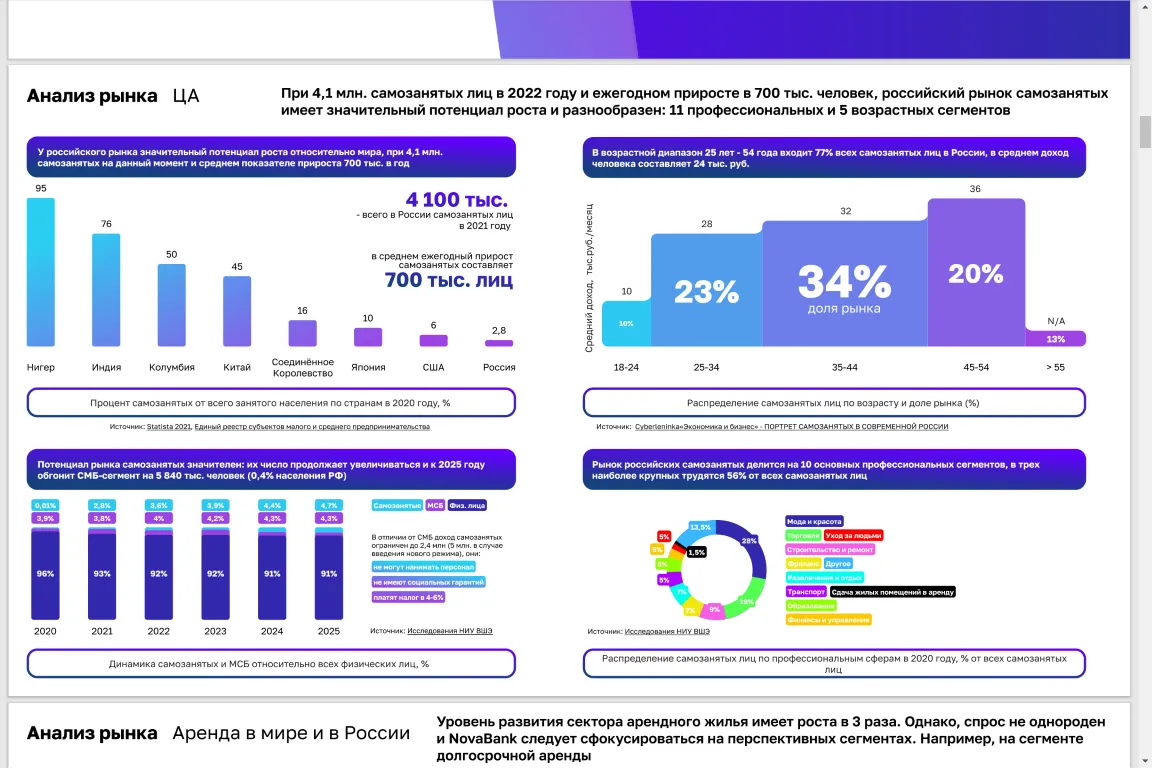
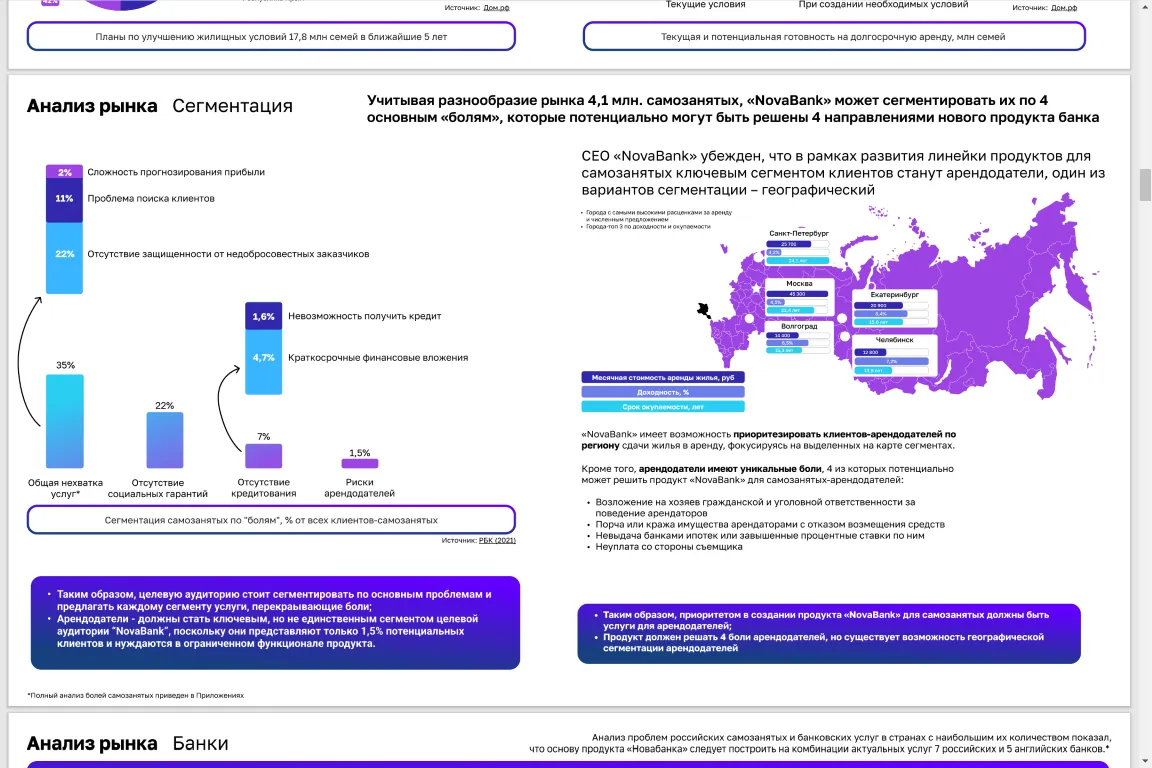
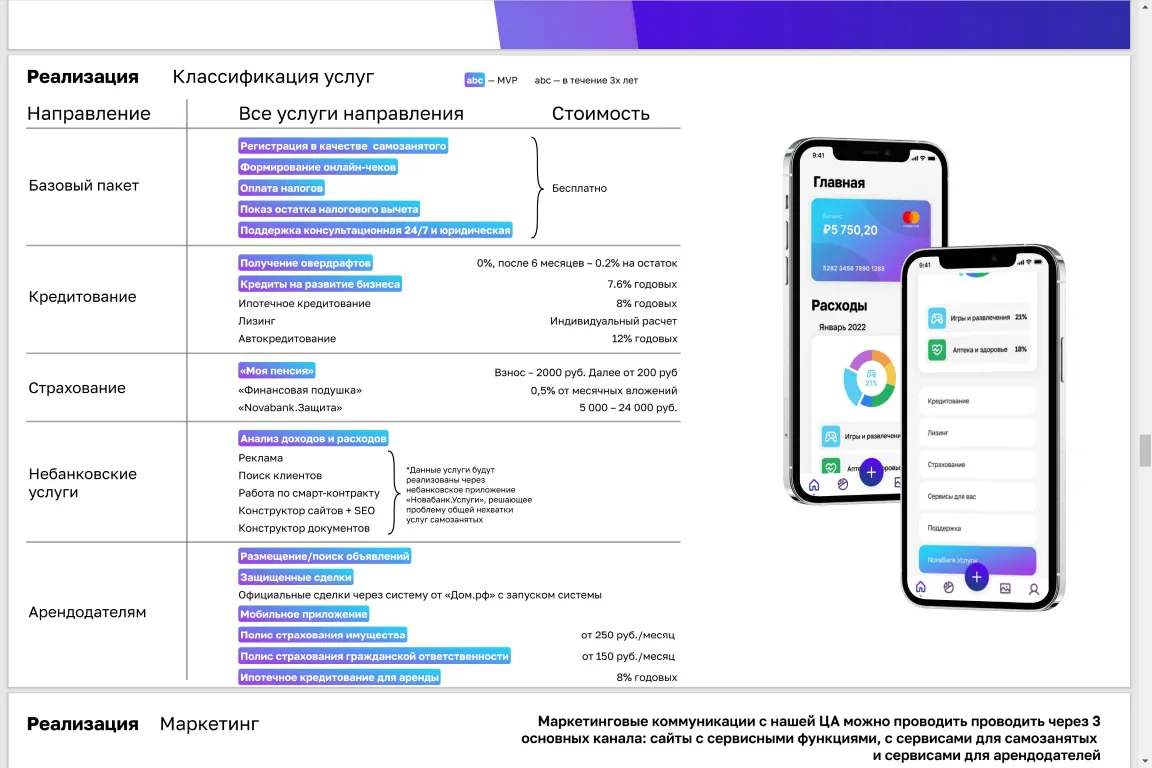
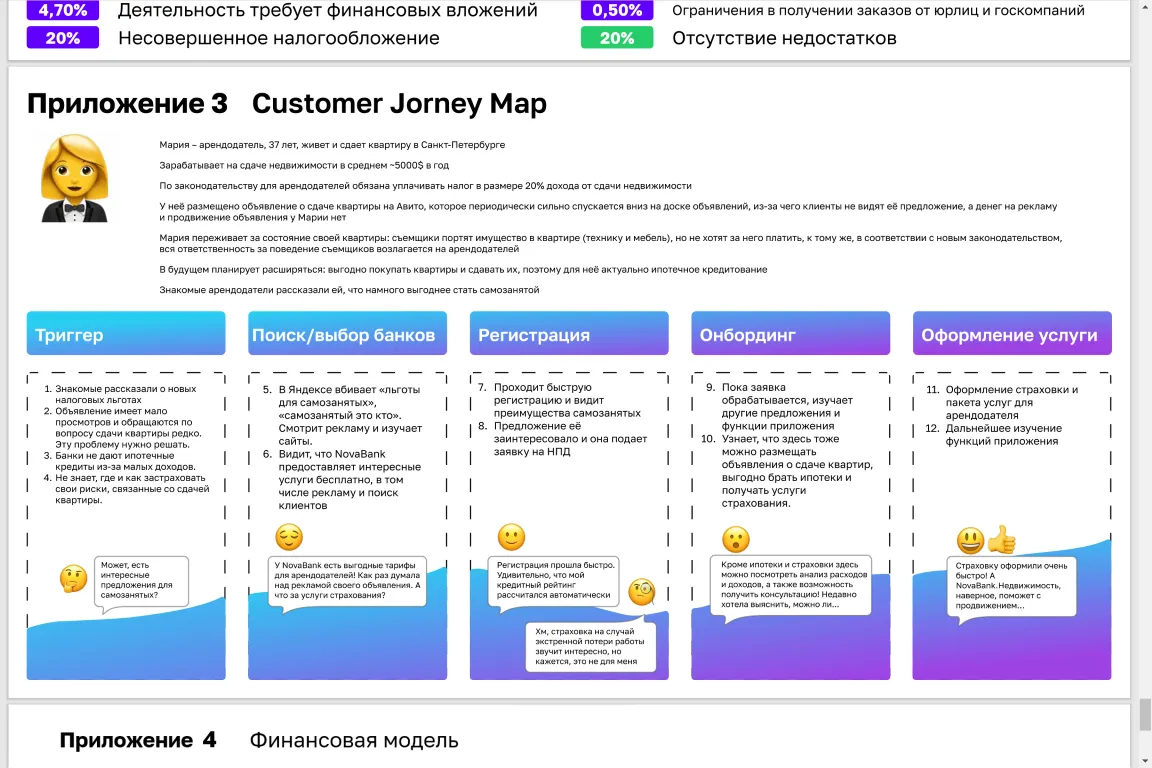
Presentation and financial model for the semifinals of the McKinsey & HSE Case Club case championship. The team of three analysts analyzed the market of self-employed landlords, segmented the market, worked through initiatives and proposed a 5-year development strategy.
In the course of the analysis we studied documents in sources from the Central Bank of Russia to the Cian IPO papers on sec.gov, talked to the head of lending from Raif, modeled the growth of the user base (through cohorts), calculated WACC and NPV
1200+ views
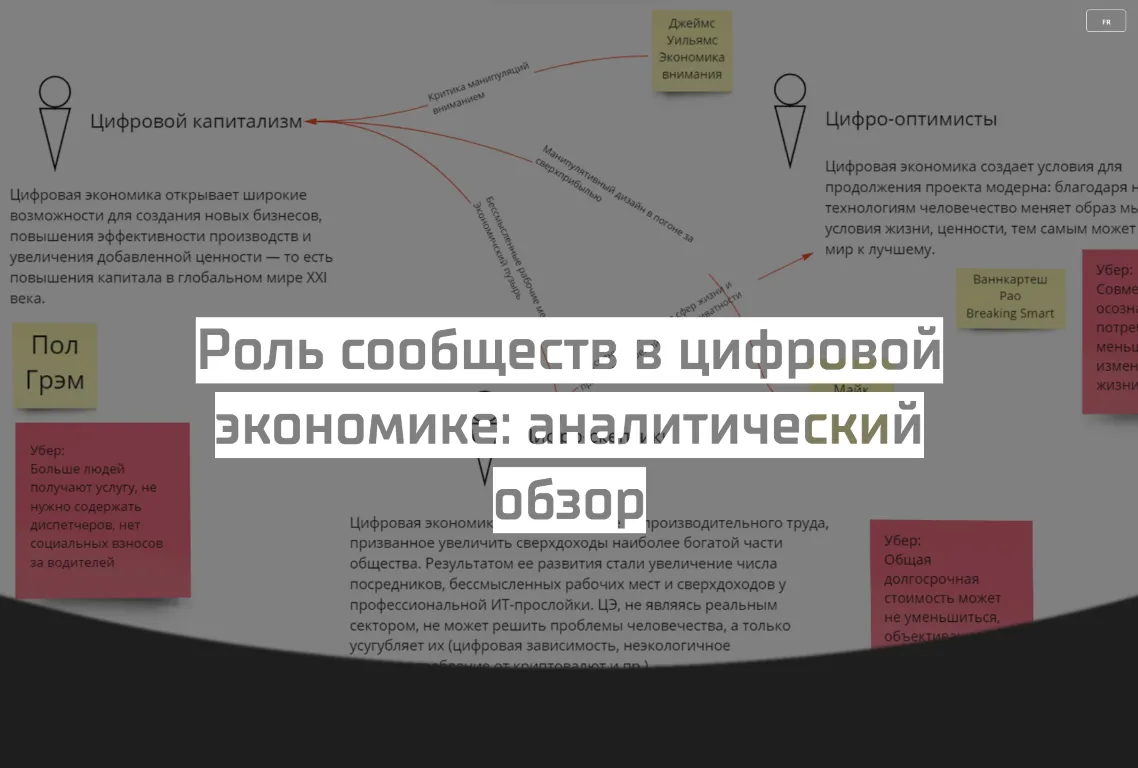
This analytical review is a compilation of the work of the Digital Communities Economy Lab at Archipelago 2121, held in Veliky Novgorod in 2021. Our lab explored the phenomena of digital communities and the digital economy.
We first looked at texts by Mike Monteiro, Paul Graham, David Graeber, James Williams, Wannkartesh Rao, Robert Solow, and others to identify key perspectives on the digital economy. As a result, we were able to identify positions through the categories Optimism-Skepticism and Personal Benefit-Public Development.
Then we moved on to an analysis of the phenomenon of digital communities. We were interested in how we could relate the size of the community (degree of influence) to the type of activity. The Process-Product categories helped in this. It turned out that the more global a community is, the more likely it is that it has the purpose of the activity to create a product. This includes Wikipedia, moz://a, python. The more local well-known communities are more about process: alumni communities are a good example.
After publishing a review on the Almanac of Future Practices website and on hubra, we consolidated our understanding of community organizing by parsing the significant work of Victor Slobodchikov and David McMillan with David Chevis.
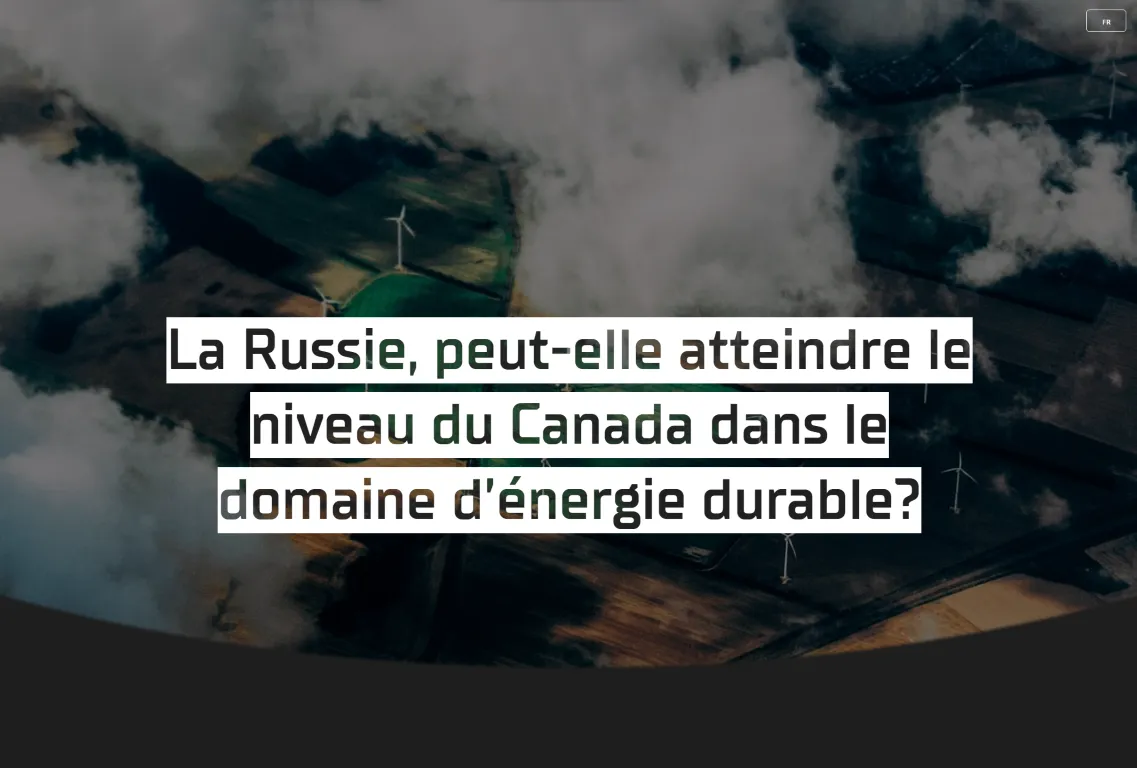
I researched one of the SDGs (Sustainable Development Goals) as part of a bilingual high school unit project. This project should have been handed in in French, when most of the material is in English, and I know how to edit mostly in Russian. That's how I got to know the Deepl translator.
The project is in the form of a longread with diagrams and real infographics (not just numbers in circles). Inside: an overview of the development potential of each of the five most popular RES, as well as touched on the profitability of changes in the status-quo.
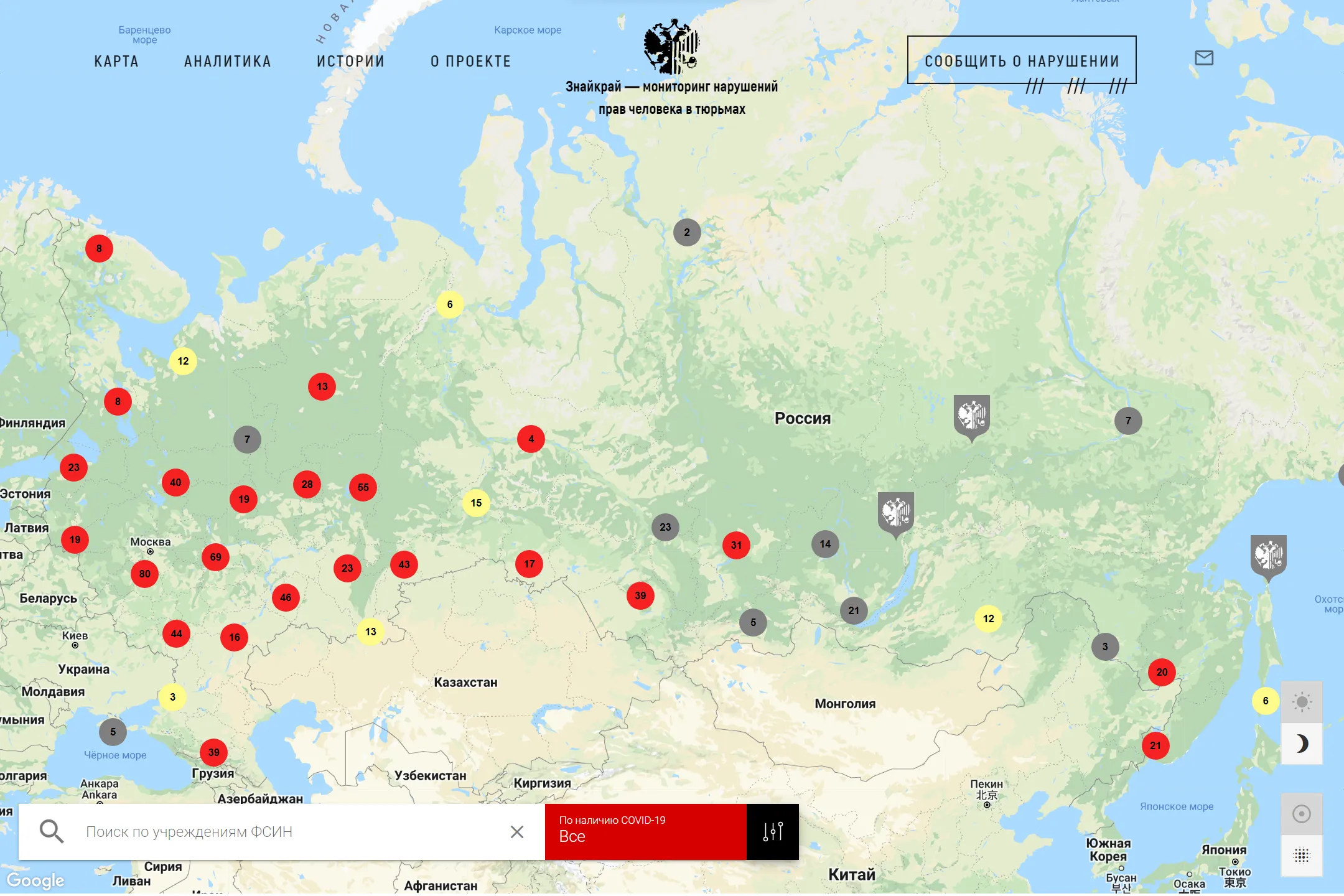
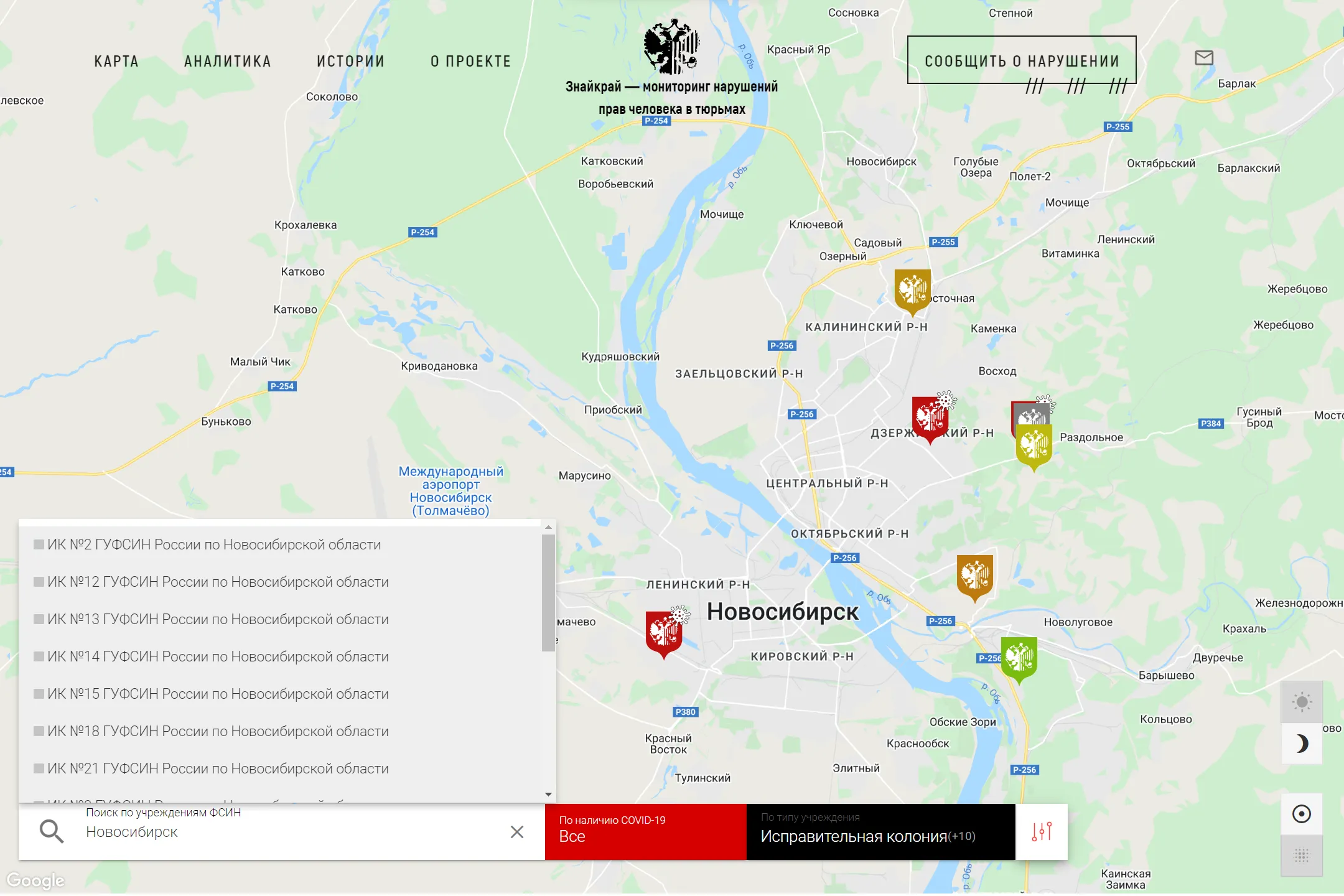
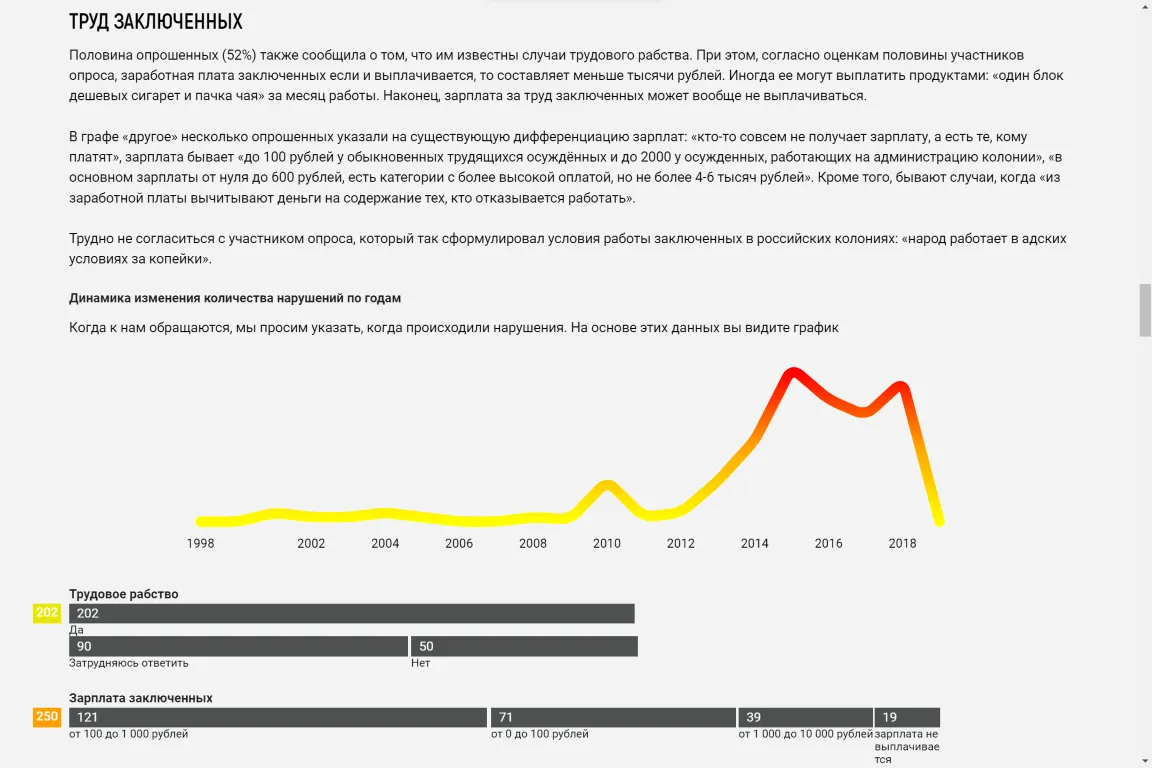
881 institutions on the map, showing more than 377 violations. 2nd place at the Projector 2020 hackathon
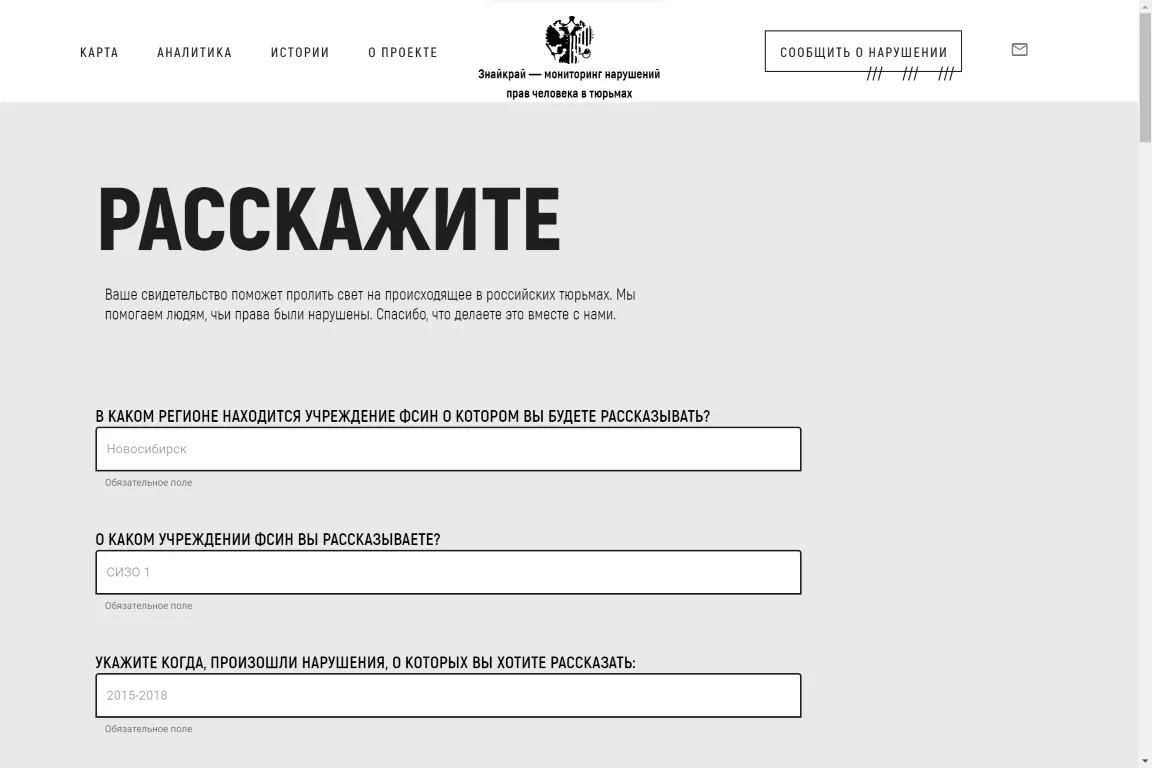
The service shows visually how many violations were committed, what kind of violations they were and provides an opportunity to report violations.
In February 2020, I participated in the "Projector 2020" hackathon organized by the Social Technologies Hothouse and Novaya Gazeta. On the spot I met part of the team - the ideological inspirers. At the hackathon the project took second place, after which the development team, including me, left to finalize the project.
2138+ views